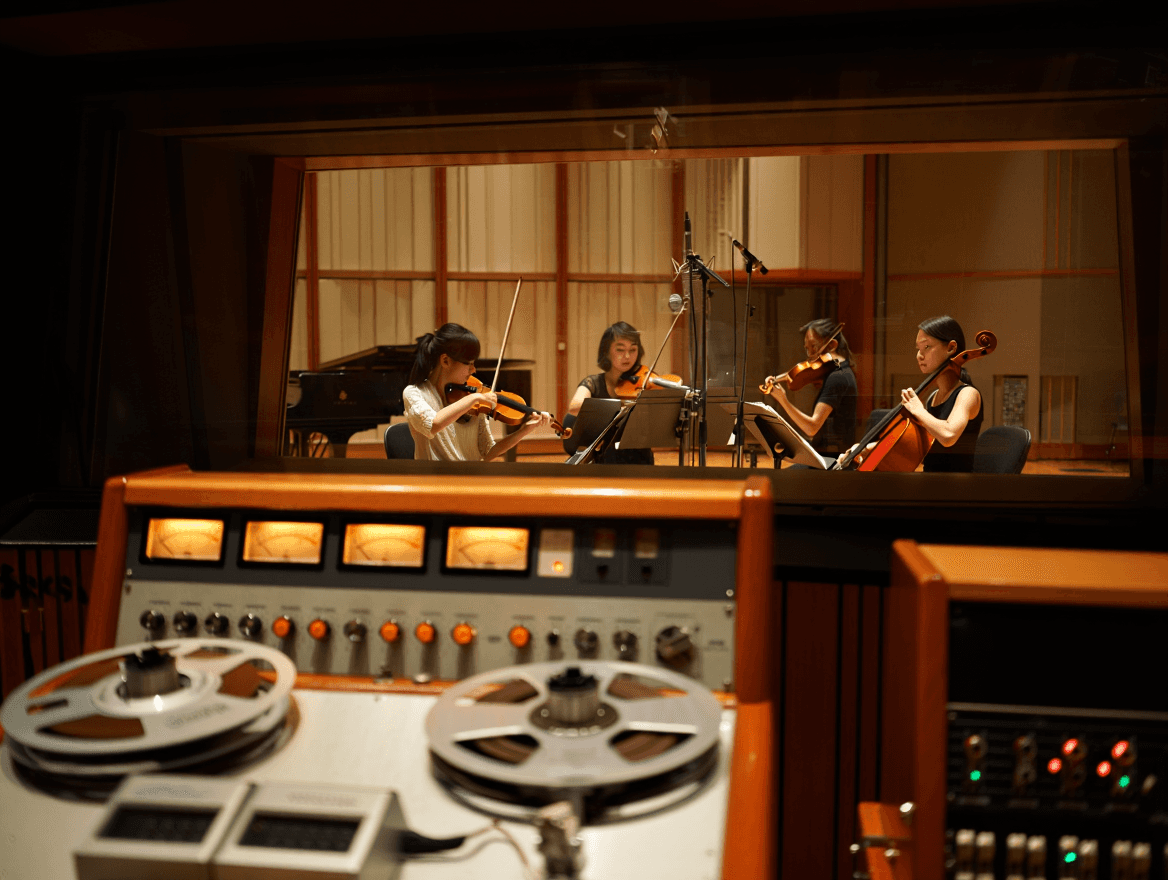
Pet Sounds is hard to follow because it is not only a famous album. It is a specific kind of listening experience: intimate songs, unusual instruments, complex vocal arrangements, and emotional writing that feels larger than its running time. Released by the Beach Boys in 1966, it was produced, arranged, and largely composed by Brian Wilson with lyrics by Tony Asher. Britannica's overview of Pet Sounds describes Wilson's role and the album's complex arrangements.
When people ask for albums like Pet Sounds, they may mean several different things. Some want lush studio pop. Some want vocal harmonies. Some want records that sound innocent on the surface but emotionally unsettled underneath. Others want a summer record that is not shallow. The best answer is to split the search into listening routes rather than pretend one record can replace it.
The first route is classic harmony pop. The Zombies' Odessey and Oracle is one of the clearest recommendations. It has a different British mood, but it shares the same interest in melody, compact songwriting, and strange emotional color. The album's background helps explain why it remains a key reference for late-1960s pop.
The second route is sunshine pop. This leads toward the Association, the Mamas & the Papas, the Millennium, and the Free Design. These acts do not sound exactly like Pet Sounds, but they share the attention to vocals and arrangement. If you need the genre base first, read our guide to sunshine pop. It explains why many of these records are linked by mood and method rather than strict genre rules.
The third route is modern retro pop. The Explorers Club's Freedom Wind is a direct path for listeners who want the Southern California side of the sound. The High Llamas' Hawaii is more spacious and chamber-like, with a wider set of influences. The Lemon Twigs offer another path, especially for listeners who want 1960s and 1970s pop ideas brought into a modern indie setting.
The fourth route is chamber pop. Here the connection is not beach imagery or surf culture, but arrangement. Chamber pop uses strings, horns, woodwinds, keyboards, and careful melodic writing to make pop songs feel arranged rather than simply performed. Belle and Sebastian, the Divine Comedy, and later indie-pop writers show how orchestral thinking survived outside mainstream pop production.
To listen well, avoid treating Pet Sounds as a checklist. Yes, you can look for tack piano, sleigh bells, bass harmonica, strings, and layered vocals. But the deeper point is how the record uses arrangement to support feeling. The instrumental detail rarely feels random. It pushes the lyric, mood, or melodic shape forward.
Start with three comparisons: Odessey and Oracle for British melodic color, Freedom Wind for modern Beach Boys-inspired warmth, and Hawaii for chamber-pop expansion. None is the same as Pet Sounds, and that is fine. The goal is not to find a clone. It is to build a listening shelf around the same values: melody, harmony, arrangement, and emotional precision.